What Differentiates Perimenopause-Specific Services From General Women's Health Platforms
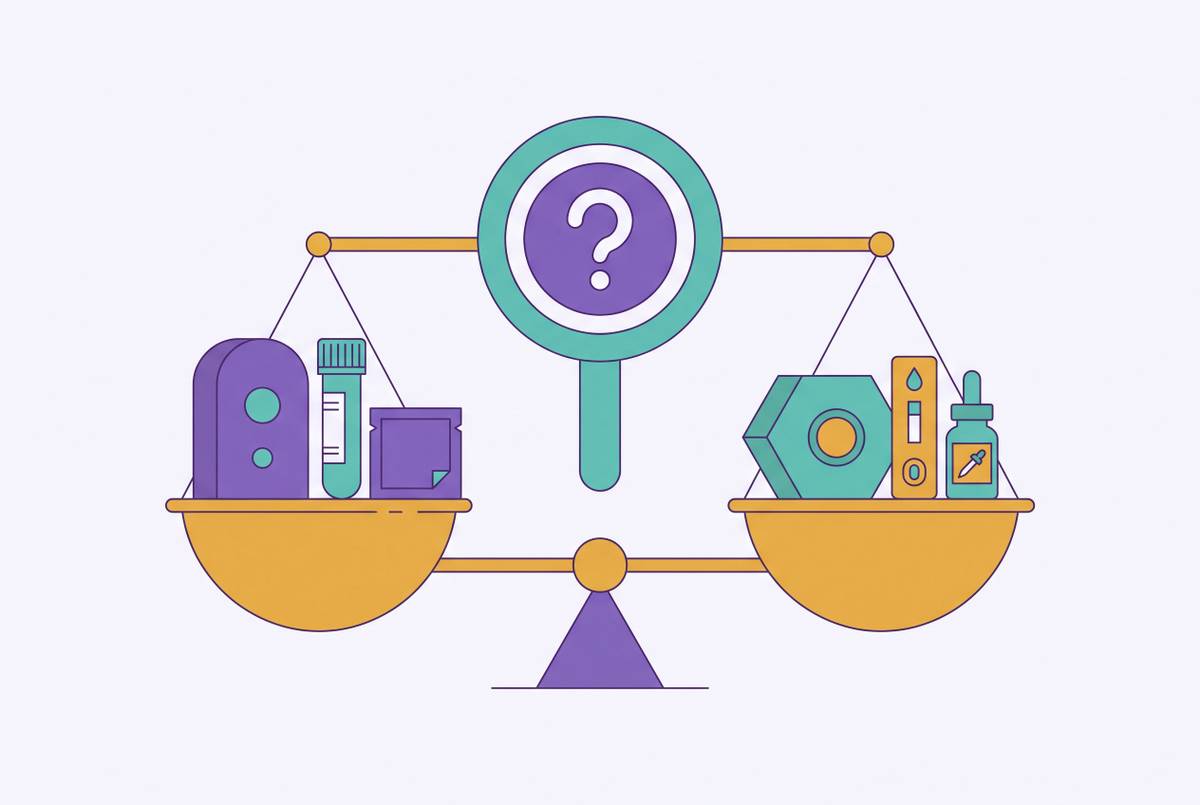
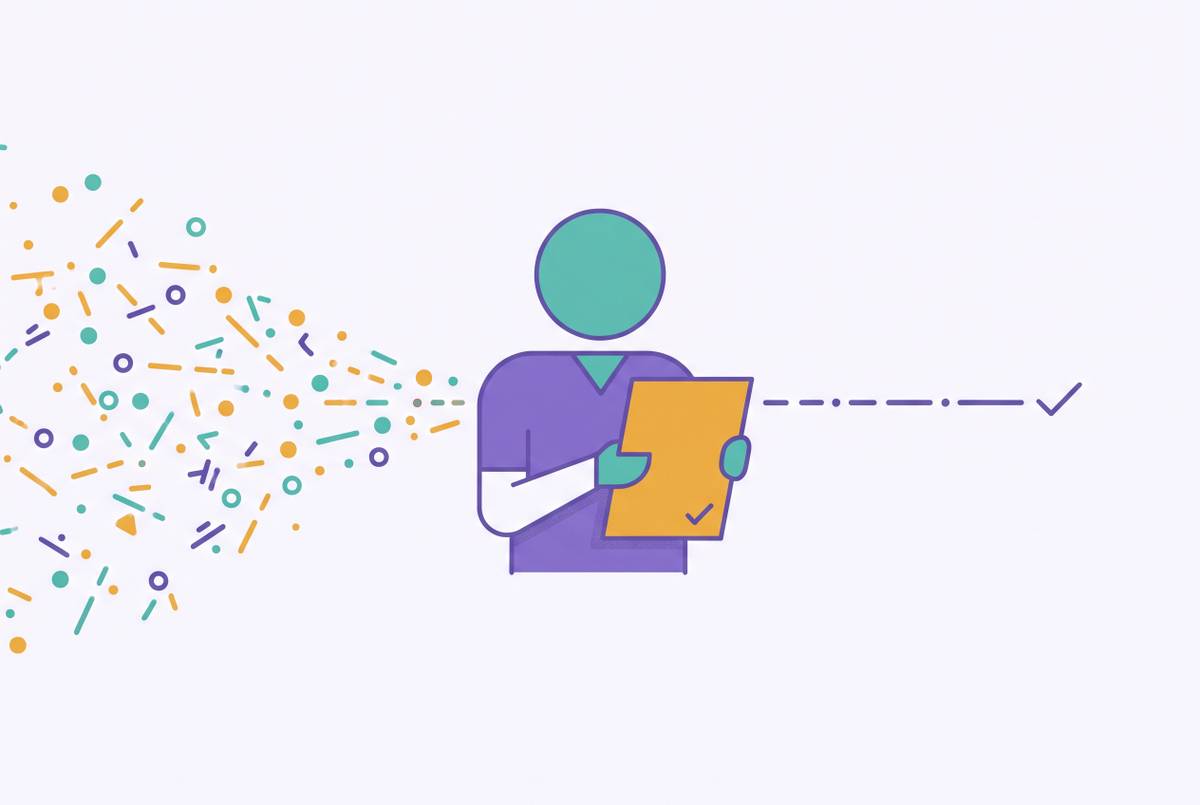
Perimenopause testing without a doctor's referral can be a bridge to informed care through direct-to-consumer testing, but hormone levels alone cannot establish whether you are in perimenopause. What differentiates perimenopause-specific services from general women's health platforms is the combination of appropriately timed testing, specialist interpretation, and tracking over time. This transition is defined by changing patterns.
Why perimenopause consistently falls through the cracks of general women's health care
Being told that disrupted sleep, unfamiliar anxiety, and difficulty concentrating are “just stress” or “just aging” leaves the central problem unresolved. The symptoms may each be noticed without anyone asking what connects them. For a woman seeking an explanation, that distinction has practical consequences. She can leave an appointment with advice about one complaint and no account of why several aspects of her health have changed together.
The gap begins partly with preparation. BCG's 2025 report says that only a minority of women who seek care for significant menopause symptoms get treatment, in large part because providers lack the training they need. Few actively licensed U.S. doctors have menopause-specific credentials. In states with millions of women over 45, certified practitioners number in the hundreds. Access to someone trained to recognize the transition is therefore a structural constraint.
Time compounds the problem. A typical visit for women aged 40–64 often lasts 15 minutes or less, which leaves little time to untangle complaints that overlap. General platforms also tend to provide care one visit at a time, including reproductive health visits, primary care check-ins, and urgent care consultations. Each visit can meet a need while missing the process that links those needs over several years. The limitation lies in the frame through which the symptoms are assessed.
What makes perimenopause biologically unlike anything general platforms are designed to handle
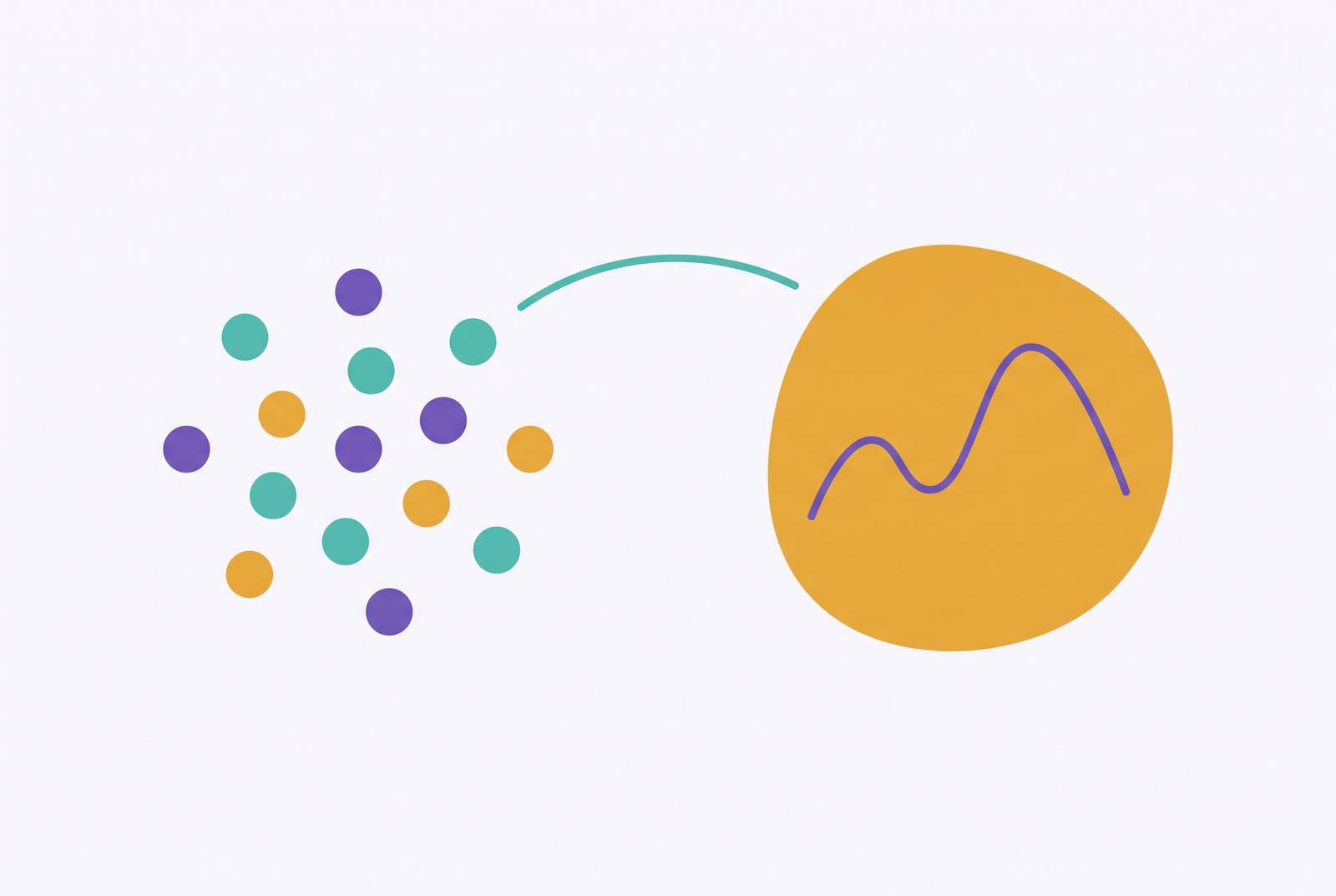
Estrogen, progesterone, and FSH fluctuate irregularly, sometimes from week to week. A measurement can therefore describe a real hormonal state without describing the transition as a whole. The key biological distinction is oscillation, which makes a snapshot a poor substitute for a history.
BCG's 2025 analysis describes the transition as lasting an average of four to eight years. That duration makes perimenopause a longitudinal health event rather than a moment that can be understood at one appointment. The STRAW+10 framework uses changes in menstrual cycle patterns, hormone levels, and physical markers to identify the stage of the transition, with age as only part of the picture. Its logic is temporal because the significance of a finding depends partly on what preceded it. A woman's age supplies context, but it does not establish her stage.
BCG notes that half of women report more than five distinct issues simultaneously, spanning sleep, mood, cognition, vasomotor symptoms, and other changes. Declining estrogen also raises risks involving cardiovascular health, bone loss, behavioral health, and cognitive decline, so the stakes extend beyond immediate discomfort. Yet sleep may be assessed separately from mood, and joint pain separately from both. Those assessments can help with each complaint, but they may miss how the symptoms fit together if they leave out the role of hormones.
Why hormone testing in perimenopause requires a fundamentally different interpretive approach
The biological variability creates an interpretive problem before it creates a testing problem. A single FSH or estradiol reading can be normal one week and elevated the next. Clinical bodies note that testing is not sufficient in isolation to diagnose perimenopause. A blood test is therefore useful for what it adds to the cycle history, symptoms, and prior results.
FSH illustrates why context matters. It can fluctuate dramatically and return to premenopausal levels after an elevated reading, so a normal result does not rule out perimenopause. When cycles still occur, what the measurement means depends in part on when it is taken in relation to cycle day three. Estradiol likewise rises and falls rather than declining steadily, and there is no single “normal” range for this life stage. Low estradiol together with elevated FSH can tell the clinician more than either result on its own.
Progesterone introduces a different timing requirement. To assess whether ovulation occurred, it must be measured in the mid-luteal phase, approximately seven days after ovulation. A result outside that window cannot usefully answer the same question and may mislead if interpreted as though it could. A panel that gathers several hormones without respecting their timing dependencies is not necessarily informative simply because it is broad.
Specialist interpretation connects these measurements rather than treating each laboratory range as a verdict. In a perimenopause-focused model such as Intermission Health's, clinician review is intended to connect a curated panel with cycle timing and the patient's longitudinal history. Their judgment helps show which combinations matter and what is still unclear. Repeated measurements may add evidence, but repetition alone does not correct poorly timed testing or replace clinical assessment.
How misdiagnosis flows directly from the general platform's interpretive limits
When the hormonal pattern is missed, the symptoms still need an explanation. Anxiety, depression, thyroid dysfunction, mood disorders, and panic disorder can become the diagnoses substituted for perimenopause. For a woman who spends years taking an antidepressant without relief from the underlying problem, that substitution is not merely a labeling error. It means the working explanation has not adequately accounted for her experience. This makes reassessing the explanation important.
The PHQ-8 depression screen covers much of the same symptom territory as perimenopause, including disrupted sleep, fatigue, appetite changes, concentration difficulty, and mood disturbance. Under time pressure, those findings can support a depression diagnosis without prompting a closer look at cycle-linked changes. BCG's 2025 analysis notes that women in perimenopause are 40% more likely than premenopausal women to be diagnosed with depression. That figure does not show how much is due to depression and how much is due to mood disruption driven by hormones.
Thyroid dysfunction makes the differential diagnosis more complex still. Perimenopausal women face a higher prevalence of hypothyroidism, and the two conditions share symptoms closely enough for each to mask the other. Hormonal changes can affect thyroid function and immune regulation, but declining estrogen alone is not a direct cause of hypothyroidism. Likewise, sudden, physical anxiety that gets worse with the cycle and does not ease with usual coping strategies calls for a look at the hormonal pattern, though that pattern does not prove the cause. The task is to distinguish overlapping explanations.
What a perimenopause-specific service is actually structured to do differently
A perimenopause-specific model starts with the transition as a distinct clinical phenomenon. Its defining properties are a dedicated hormone panel, expertise in interpreting this life stage, and a structure for tracking change over time. Even a carefully chosen panel tells less if the timing is wrong, and a result taken at the right time can still be misunderstood without the patient's history.
Panel design is therefore more than a menu of available tests. It accounts for the different timing requirements of FSH and progesterone and for combinations of markers that carry meaning together. The same FSH result described as “within range” may deserve closer attention in the context of age, cycle changes, and earlier measurements. A general platform's standard laboratory order does not, by itself, supply that reasoning. What distinguishes specialist care is the interpretive work surrounding the order.
NYU Langone's Center for Midlife Health and Menopause offers 45-minute initial consultations, customized care plans, and specialist referrals when recommended. HerMD integrates gynecology and sexual health, showing another approach to bringing related needs into the same care setting. These models should not be treated as interchangeable with a testing platform. Consultation time, scope of care, and the ability to review change answer different parts of the problem.
Intermission Health uses a curated blood panel with clinician review and personalized analysis designed to be tracked over time. BCG's 2025 report calls for proactive, personalized, and integrated care for midlife women, which gives a broader frame for assessing these approaches. The meaningful comparison is not which service orders the most tests, but which can connect testing, interpretation, and follow-through.
What longitudinal tracking reveals that a one-time test cannot
FSH trending upward over six months means something different from one elevated reading followed by a return to an earlier level. Estradiol measurements can reveal changing fluctuation patterns, while progesterone may decline before estradiol does. These observations provide evidence about a trajectory and can contribute to staging when considered with menstrual changes and symptoms.
That distinction matters because early and late perimenopause present different clinical contexts. Irregular cycles with mild fluctuation differ from extended amenorrhea accompanied by sustained FSH elevation and significant estradiol decline. The interventions appropriate to those stages can differ as well. An annual gynecology visit on its own cannot show when the shift happened between visits. A longitudinal record gives the clinician more of the intervening story.
Tracking also changes how symptoms can be discussed. Three sequential FSH readings trending upward provide a concrete hormonal narrative to consider beside mood changes, disrupted sleep, and cognitive fog. They make a hormonal explanation for the complaints more assessable than an unsupported impression. For women using a service that tracks results and has a clinician review them, including Intermission Health, a record that links one visit to the next may help. In a clinical setting, that record supports a focused discussion of what changed, when it changed, and whether the explanation or plan needs to change with it.
How to use this information to advocate for yourself in clinical settings
Arriving with documentation changes the starting point of a consultation. You can describe how unfamiliar your body feels along with the pattern of cycle changes, symptoms, and results from tests taken at the right time. Symptoms count even without laboratory evidence, and a normal result should not be grounds to dismiss them. Clinician-reviewed analysis can help turn that record into questions that an appointment can address.
Those questions can focus on interpreting FSH results over time, giving the clinician a way to discuss how the results fit together, beyond whether one reading falls within range. Low estradiol concurrent with elevated FSH gives the clinician a combination to assess, while progesterone results require attention to their timing. A record of cycle-linked mood and sleep changes shows more than a PHQ-8 screen can on its own. Bringing these elements together supports consideration of a hormonal explanation without excluding depression, thyroid dysfunction, or another condition.
Access remains a constraint. The Menopause Society Certified Practitioner program had certified less than 1% of actively licensed U.S. doctors as of fall 2025, and specialist clinic wait times can delay assessment. Direct-to-consumer testing can be a practical bridge when it provides useful data and clinician-reviewed interpretation, but it is not a replacement for clinical care. The goal is to arrive prepared to discuss a pattern, examine competing explanations, and seek a plan that addresses the cause of your symptoms. Perimenopause is not a mystery to be endured, but a transition that can be understood, tracked, and navigated with the right tools.